

Estimated reading time: 6 minutes
Table of contents


All That Heaven Allows (1955) is a romantic melodrama directed by Douglas Sirk. The film was written by Peg Fenwick, based on the novel of the same name by Edna L. Lee and Harry Lee.
Movie Plot Summary
Cary, an affluent widow, is leading an uninteresting life, except when her son, Ned, and her daughter, Kay, come for the weekend. Her friend Sara often invites her to social events related to the country club. At the country club, there are some mean women, like Mona, who are constantly gossiping. Concurrently, there are men as well, such as Harvey, who is attracted to Cary. Still, she is not interested in marriage.
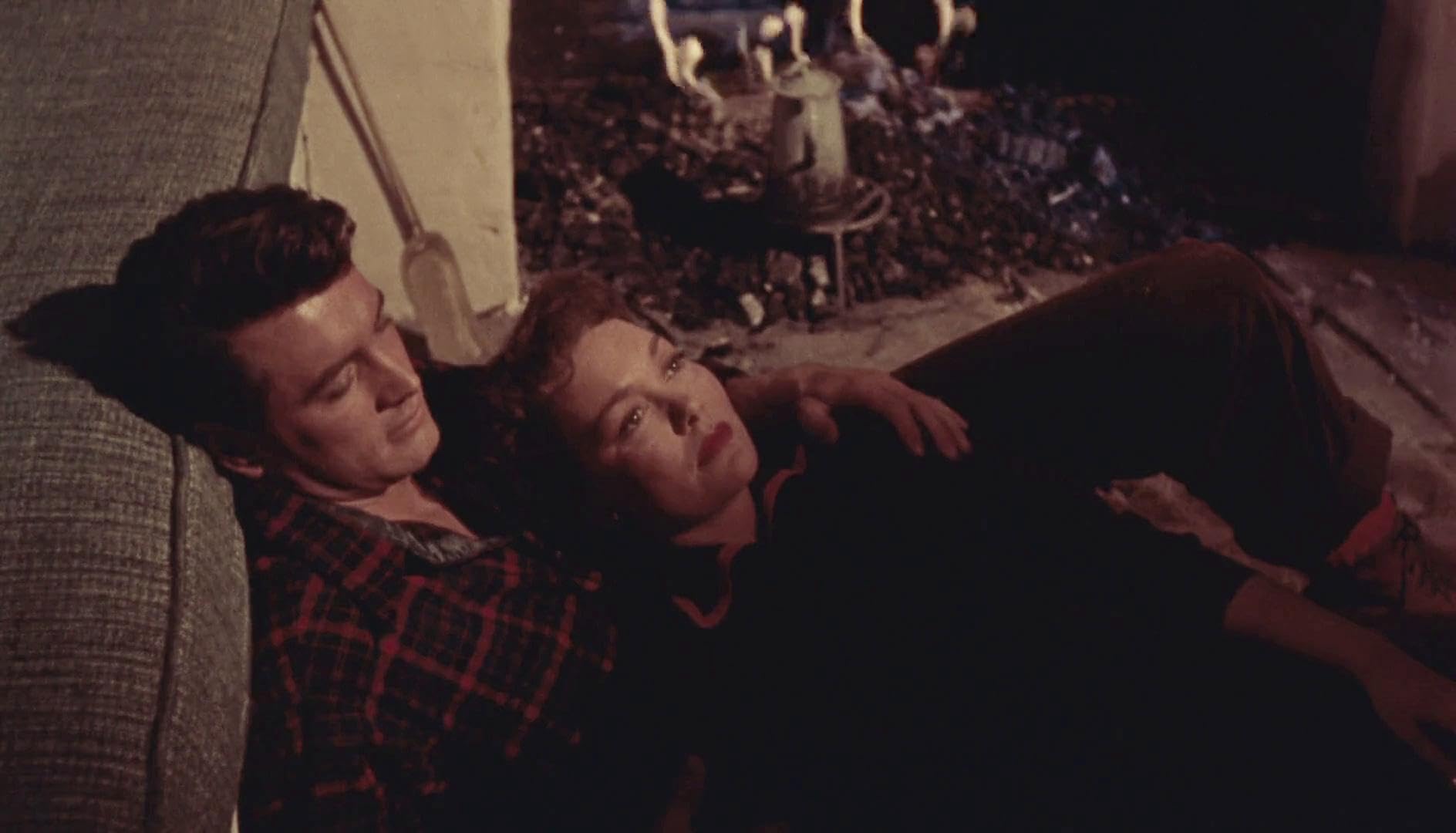
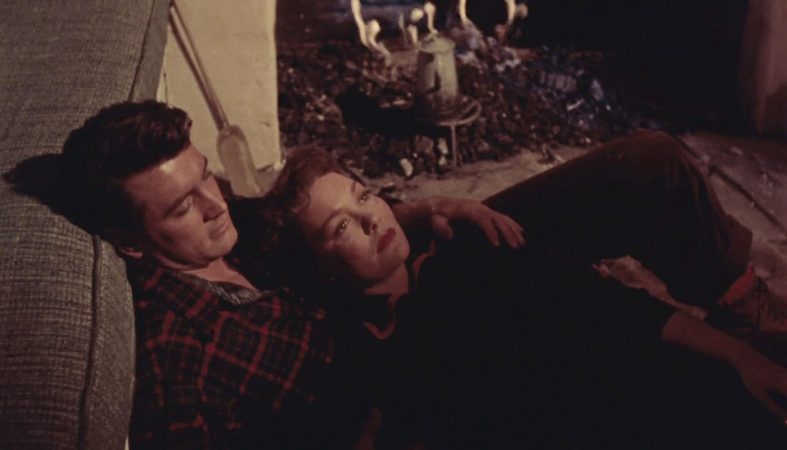
However, she becomes enamored with Ron, the arborist who takes care of the trees in her garden. Obviously, the romance between Ron and Cary is considered controversial. He is younger and comes from a lower social class. At the same time, he embraces a lifestyle that rejects wealth and status, preferring a simple way of living tied to nature.
Cary gets on well with Ron and his friends, ultimately finding passion in her life. He proposes to her, asking her to marry him. She is fearful of the impact this decision will have on her relationship with her kids and the reaction of her social circle from the country club.
Personally, I found this movie enchanting! I would definitely re-watch it! I deeply empathized with the female protagonist’s struggle and appreciated her romance with Ron.
At the start, I was given the impression that Ron wanted Cary to choose between him and her kids and wished to impose his lifestyle on her without compromising much. Actually, he made an effort by attending the country club party and meeting her kids. The kids are adults indeed, living on their own and living their best lives. Technically, they have gone their own way, and she endorses his lifestyle. So, if she really loves him, she should give their romance a chance regardless of others’ opinions… I really loved watching these two together! It was devastating watching her kids buy her a television. This sacrifice would be for nothing…
Character Analysis
Cary is an upper-class widow. She has one son named Ned and one daughter named Kay. Cary likes spending time with her best friend at the country club. There are some men who are interested in her, but she does not pursue marrying again. Generally, she is trapped in a life devoid of passion. Soon she falls for Ron, the young man who is responsible for taking care of her garden’s trees.
Ron is an arborist and a nurseryman like his father. He is a specialist in the maintenance of trees, including Cary’s. He is much younger than the female protagonist, and unlike her, he lives a simple life of freedom connected to nature, without relying on the materialistic values of Cary’s social circle. He falls in love with Cary and later asks her to marry him.
Sara is Cary’s friend, who tries to make her feel included in the country club and encourages her to socialize more.
Kay is Cary’s cerebral daughter, and Ned is Cary’s son, who is very protective of her.
Supporting Characters
- Harvey, an old friend of Cary who is romantically interested in her.
- Mona, Howard, and the rest of Cary’s acquaintances from the country club, who are toxic, judgmental, and prone to gossip.
- Mick and Alida, Ron’s married friends, who also prefer a simple and non-materialistic lifestyle. They approve of Cary and Ron’s romance.
- Dan Hennessy, Cary’s doctor, who advises her in times of need.



Acting & Performances
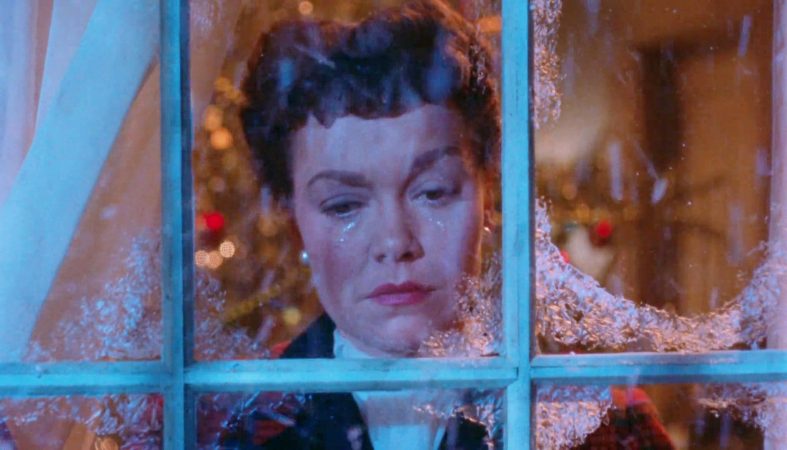
Jane Wyman was mesmerizing in the role of Cary. The viewer can feel the character’s inner conflict between what the heart wants and social obligation.
Rock Hudson did a wonderful job playing the young arborist Ron Kirby. His acting was captivating with a sense of authenticity, reflecting Ron’s preference for nature and his rejection of materialistic values.
Agnes Moorehead delivered a solid performance as Sara, Cary’s supportive friend.
Gloria Talbott was memorable as Kay, the intellectual daughter of Cary, and William Reynolds was convincing as the protective son, Ned.
Direction & Cinematography
Douglas Sirk’s direction concentrates on the contrast between personal preference and social obligation, such as in the awkward scene where Ron meets Cary’s social circle. In terms of cinematography, Russell Metty uses color to convey meaning. Red stands for love, passion, and awakening, while blue stands for isolation. Also, the use of windows and the television in Cary’s house relates to the feelings of entrapment she experiences.
Ending Explained
The film ends in an optimistic way, evoking feelings of warmth.
Details
- Rating Certificate: Approved
- Studios & Distributors: Universal Pictures
- Director: Douglas Sirk
- Written By: Peggy Thompson | Edna L. Lee | Harry Lee
- Country: United States
- Language: English
- Run Time: 89 Mins.
- Aspect Ratio: 1.75:1
- Release Date: 25 December 1955